

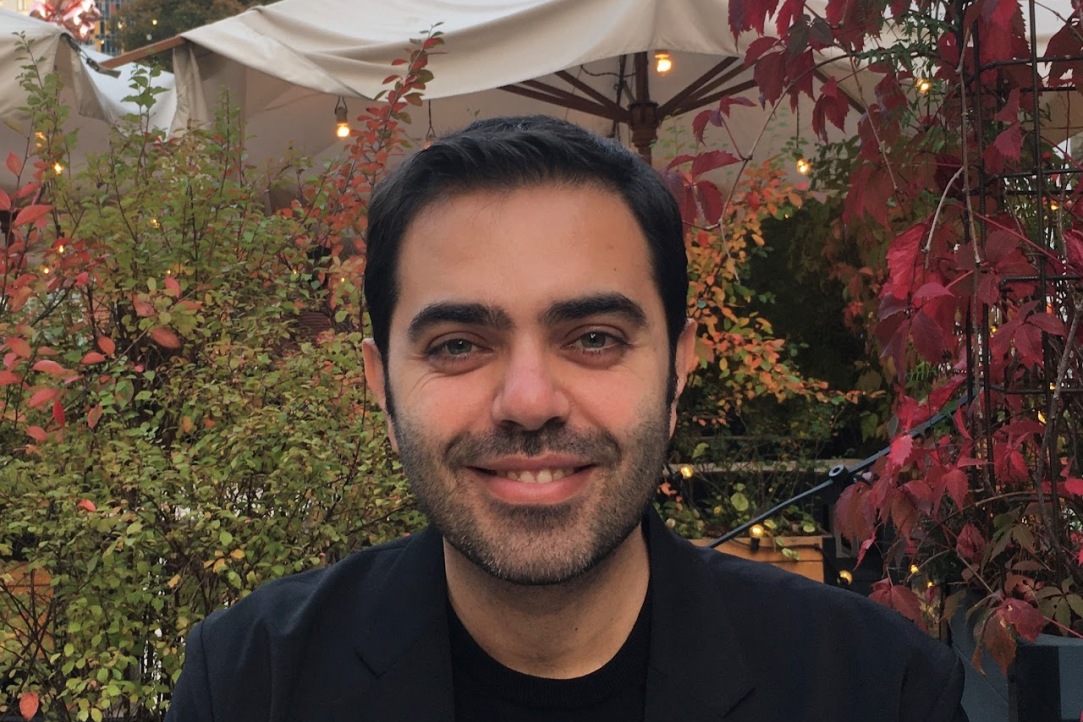
‘Teaching Is a Learning Experience for Me—Every Question Is an Opportunity to Update My Lecture Material’
Kemal Kivanc Akoz is an Assistant Professor of the Department of Theoretical Economics at the Faculty of Economic Sciences. He has been at HSE University for six years and his current activities include research into marriage market dynamics and information agreements among groups of agents. In this interview with the HSE News Service, Kemal talks about the subjects of his research, the teaching approach that led to him being named one of the university’s Best Teachers, his favourite places to get a coffee in Moscow, and more.
‘I Hope You Have Entered the Economic Profession Consciously’
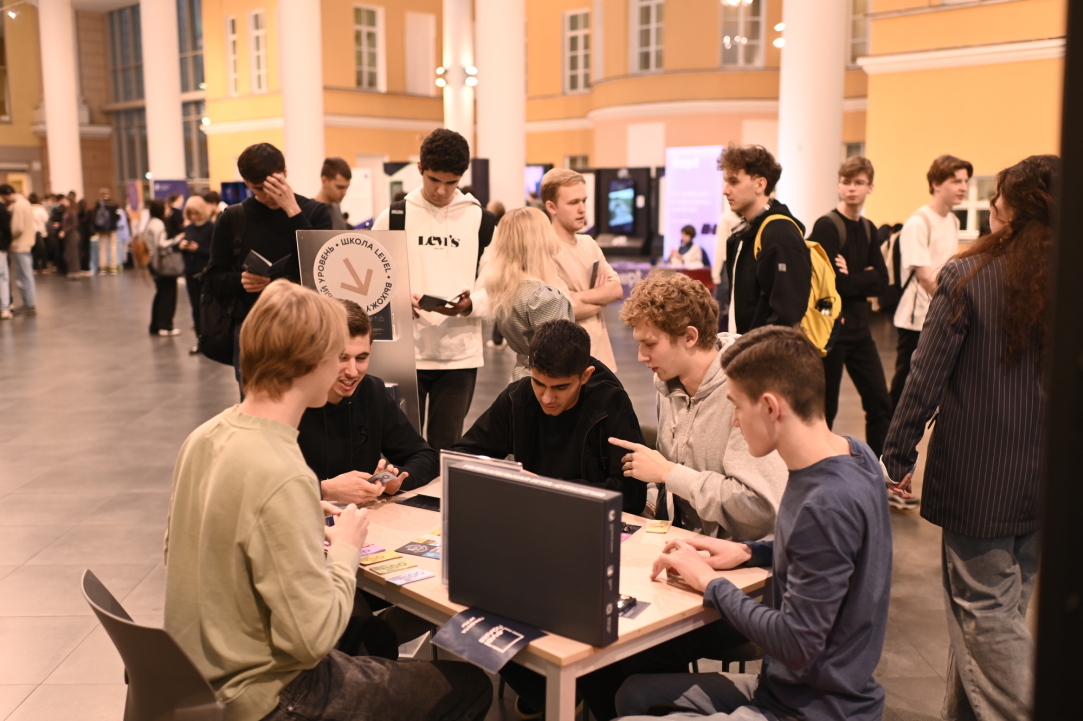
On November 11, 2024, the HSE Faculty of Economic Sciences hosted a celebration for Economist Day. Many of the university's partners came to congratulate HSE on the occasion. The atrium on Pokrovsky Bulvar hosted booths from VkusVill, Ozon, HeadHunter, Wildberries, and other leading companies. Students and professors participated in quizzes, spun the wheel of fortune, painted, and crafted.
Maxim Reshetnikov: ‘An Effective Open Market Economy Has Been Built in Russia’
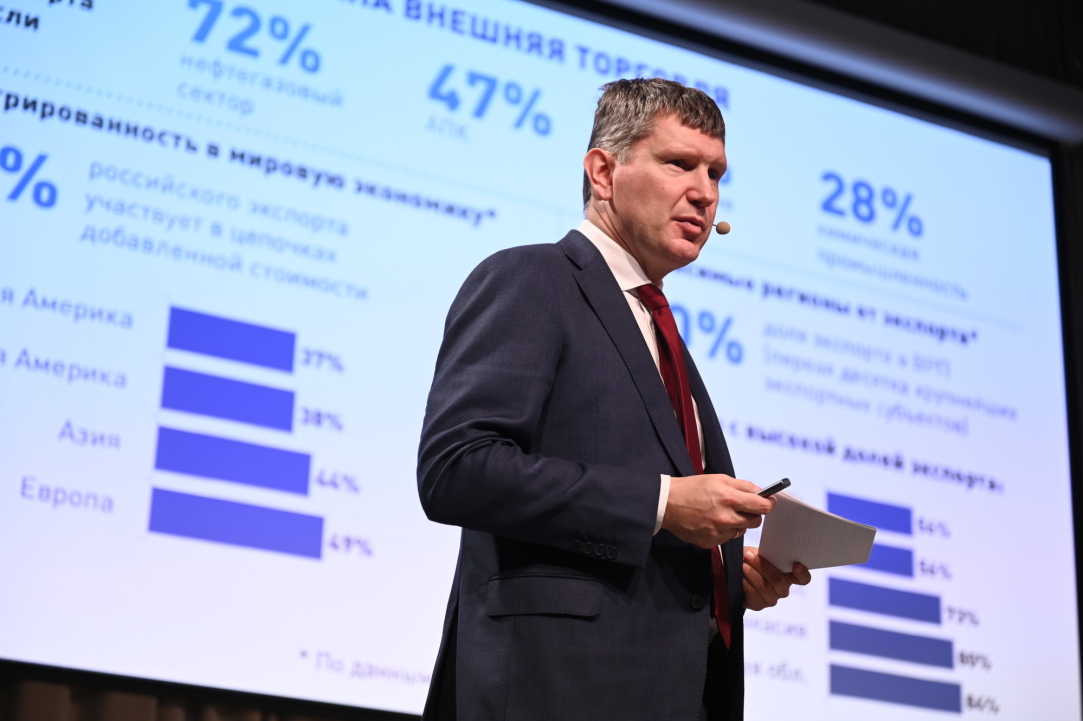
On November 11, 2024, during Economist Day in Russia, Maxim Reshetnikov, Russian Minister of Economic Development, spoke to students of the HSE Faculty of World Economy and International Affairs about Russia’s foreign economic activities, how the country managed to withstand unprecedented sanctions pressure, and the current state of its development.
FES Announces the Winner of the Nobel Prize in Economics 2024 Prediction Contest
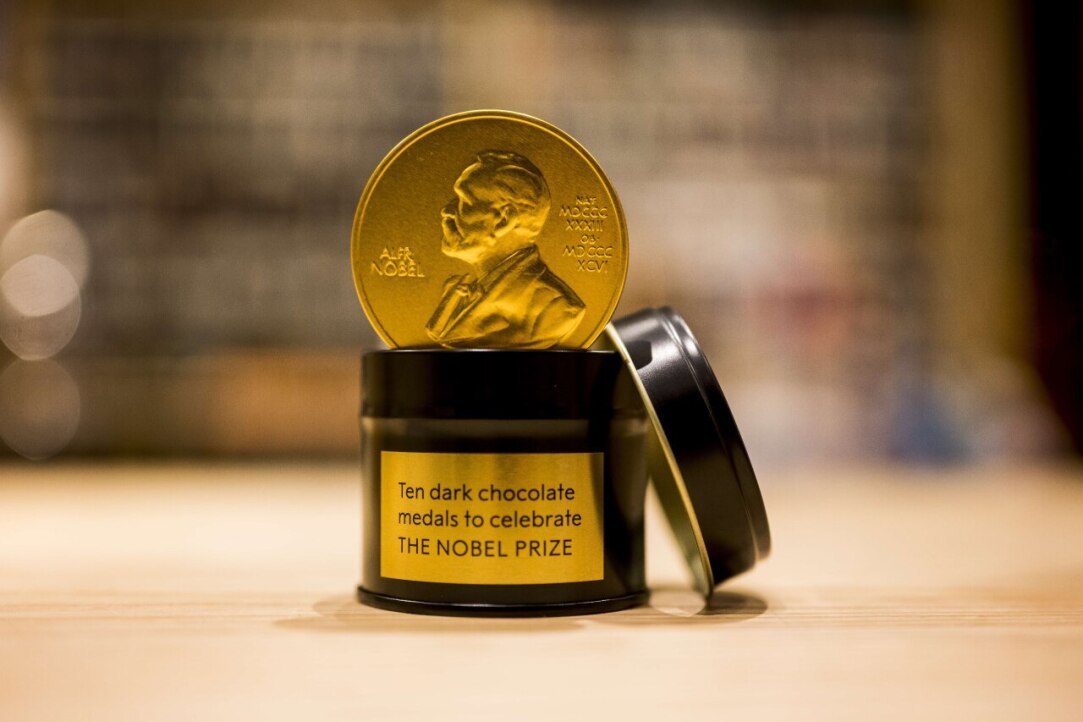
The HSE Faculty of Economic Sciences summarised the results of its traditional prediction contest. FES holds this contest annually on the eve of Nobel Week. This year, the contest once again attracted participants from different regions of Russia and countries around the world. Remarkably, one participant managed to predict all three laureates of the 2024 Economics Prize.
Try Your Hand at Predicting the 2024 Nobel Prize Winner in Economics
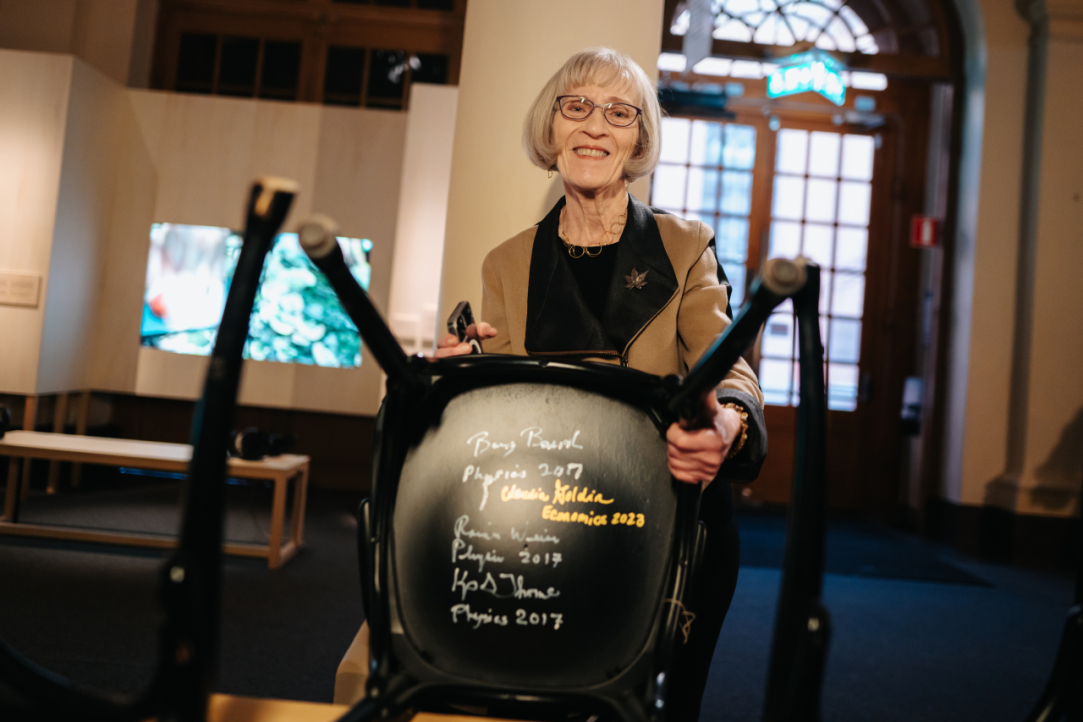
The Faculty of Economic Sciences is launching its annual prediction contest. On October 14, the Nobel Committee will announce the winners of the Sveriges Riksbank Alfred Nobel Prize in Economic Sciences live on air. You have time to prepare and explore the landscape of contemporary economic thought. What topics and areas are considered particularly important and promising at the moment? Anyone can win.
_08.jpeg "Choosing the Right Server Results in Better Outcomes in Doubles Tennis")
Choosing the Right Server Results in Better Outcomes in Doubles Tennis
The Roland Garros tennis tournament, one of the most prestigious in the world, began on May 26. The prize money for this year's French Open totals nearly 54 million euros, with athletes competing in both singles and doubles events. In doubles tennis, choosing the right strategy for a match is crucial. Athletes' ability to adapt to the dynamics of the match and strategically choose the server can earn the pair up to 5% more points, according to Nikolai Avkhimovich, doctoral student and research fellow at the Laboratory of Sports Studies of the HSE Faculty of Economic Sciences. A paper with the study findings has been published in Applied Economics.

Consumer Prices Decrease in Densely Populated Areas
HSE University economists have proposed a novel approach to modelling monopolistic competition with heterogeneous firms and consumers. The results of collaborative research carried out by Alexander Tarasov from Moscow, his co-authors from HSE University–St Petersburg, together with the Norwegian School of Economics, the University of Pennsylvania, and the Free University of Brussels, have been published in American Economic Journal: Microeconomics.
.jpeg "Football Players Cover Greater Distances During Critical Derby Matches at Home Arena")
Football Players Cover Greater Distances During Critical Derby Matches at Home Arena
Researchers at the HSE Faculty of Economic Sciences examined the level of effort that professional football players are willing to exert during a match in absence of financial incentives. It appears that the primary factors driving players to strive harder for victory are the strength of the opponent and the significance of the match for the club. This is particularly noticeable in derby matches between teams from the same city, such as the Moscow derby between CSKA and Spartak on April 25, 2024. The study has been published in the Journal of the New Economic Association.
Participation in Crowdfunding Can Generate up to 73% in Returns Annually
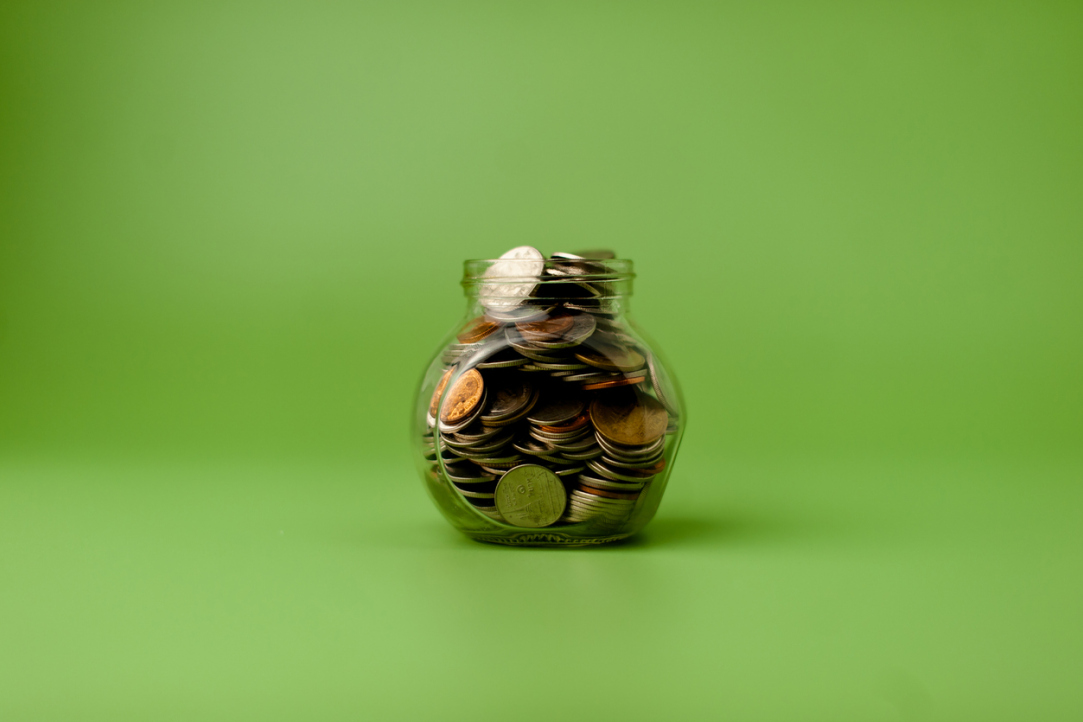
Backers of projects on crowdfunding platforms can expect rewards from their pledges. For example, funding someone's idea on Kickstarter can result in an average annual return of 11.5%, with design projects known to deliver returns as high as 70%. However, it is important to note that these returns do not come in the form of direct cash payments but rather as savings on the purchase of the product once it hits the market. This has been demonstrated in a study by researchers at the HSE Faculty of Economics published in Economic Analysis Letters.

Economists Suggest Using Media's Attention to Bitcoin to Predict its Returns
Researchers at the HSE Faculty of Economic Sciences have studied the relationship between the changes in the bitcoin prices and the media attention to this cryptocurrency. The researchers examined the mentions of bitcoin in the media between 2017 and 2021 and built a mathematical model that revealed the strong relationship between media attention and bitcoin prices. The study was published in the Applied Stochastic Models in Business and Industry journal.